




Bhakti Marg is a devotional platform dedicated to spreading the essence of Sanatana Dharma through meaningful content on Hindu gods, temples, mantras, Chalisas, festivals, and spiritual teachings. Our mission is to help every devotee experience peace, clarity, and devotion through authentic, well-researched, easy-to-understand spiritual knowledge. . One of the most endearing aspects of Hinduism is the concept of Bhakti Marg, the path of devotion. Through Bhakti, Hindus cultivate love and reverence for a supreme being or a chosen deity. This devotion takes many forms, from prayer and meditation to elaborate rituals and festivals. Who are these revered deities? Hinduism boasts a rich pantheon of gods and goddesses, each representing unique aspects of the universe and our inner selves. From the all-encompassing Brahman, the source of all creation, to the mighty Shiva, the destroyer and regenerator, these divine figures play a vital role in the world's existence. Let's embark on a journey! Join Bhakti Marg as we delve deeper into the fascinating world of Hindu gods and goddesses. We'll explore their captivating stories, their profound symbolism, and the significance they hold in the lives of millions of devotees.

Lord Dattatreya is an incarnation of the Hindu trinity and is manifested in sixteen distinct forms, each embodying unique aspects of divine wisdom and guidance
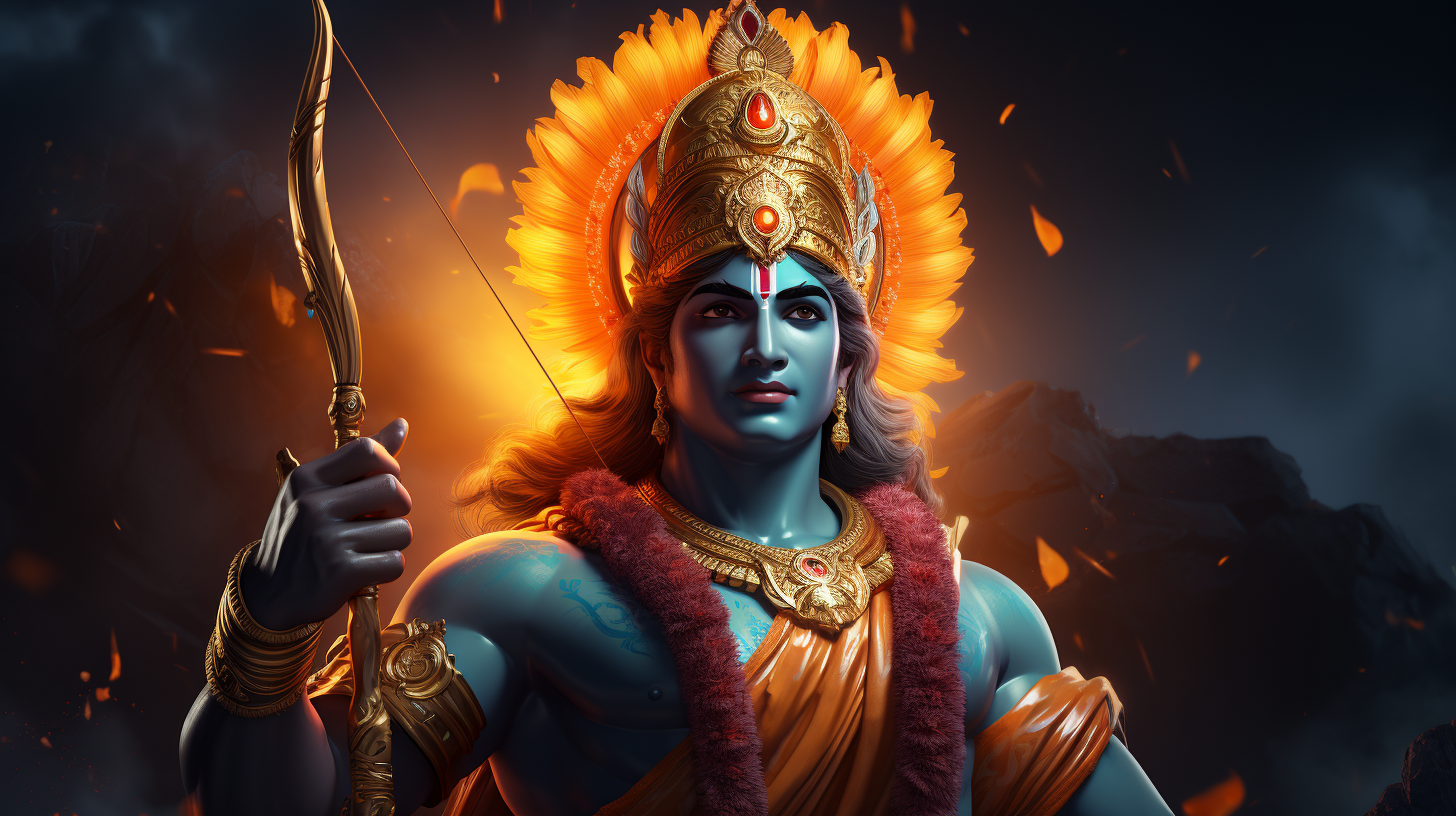
One of the most popular Hindu deities, Bhagwan Rama, is the personification of morality and valour, qualities that are uncommon in the Bhakti Marg. Ramachandra was the seventh avatar of Bhagwan Vishnu.
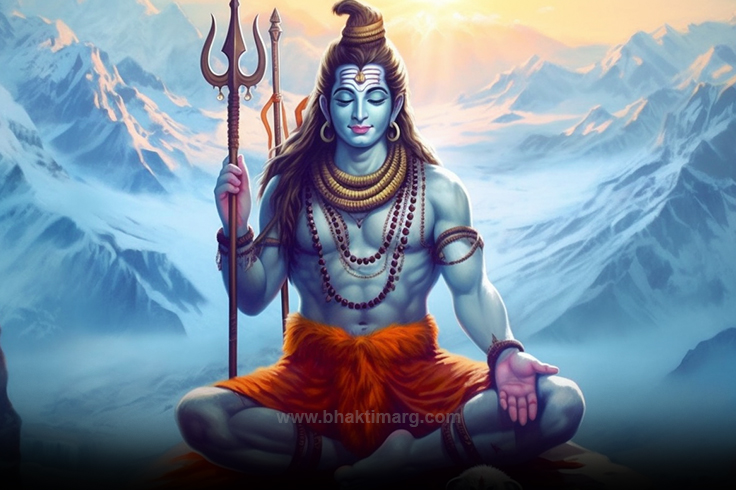
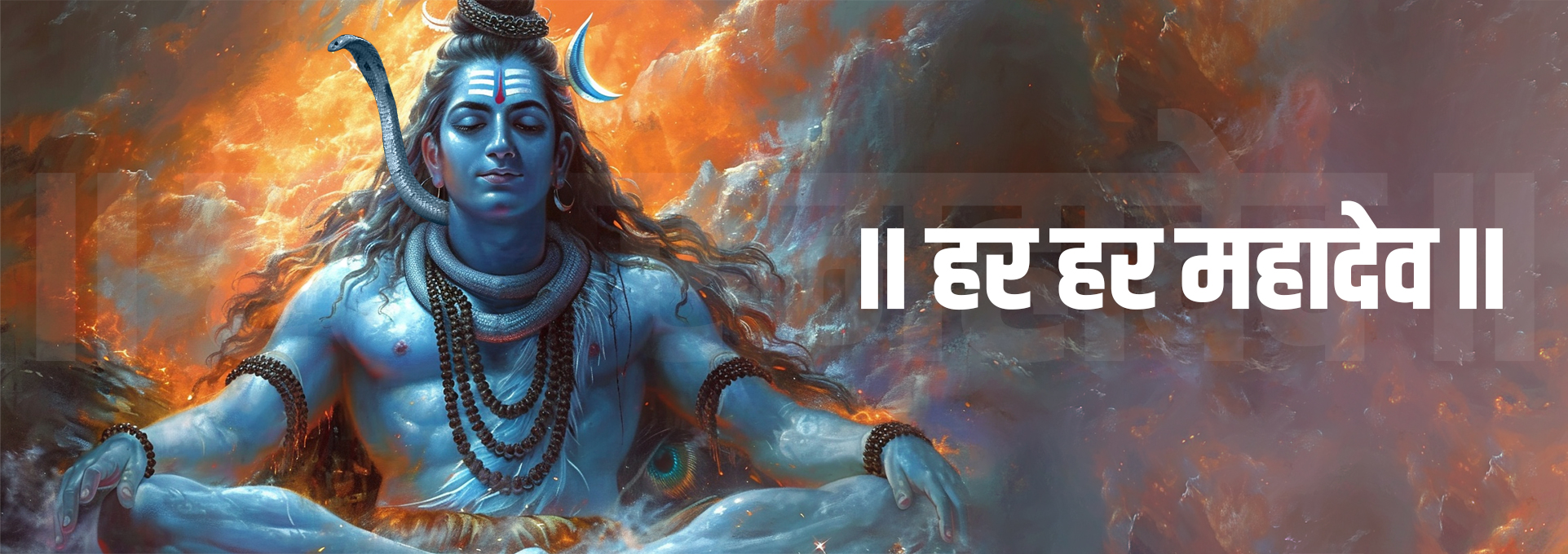
According to Sanatana Dharma, Shiva is one of the Lords among the Hindi Trinity. Shankar Bhagavan is the Destroyer among the Trimurti Brhama Vishnu and Mahesh. It is his responsibility to destroy all the evil and bad prevailing in the universe. He dissolves the existing and paves the way for its regeneration.
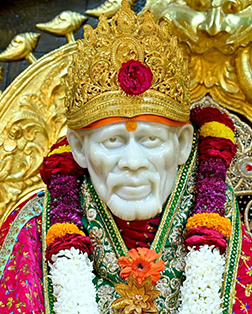
A way of life preached by numerous Saints and Religious Philosophers. One such renowned name would be Sai Baba
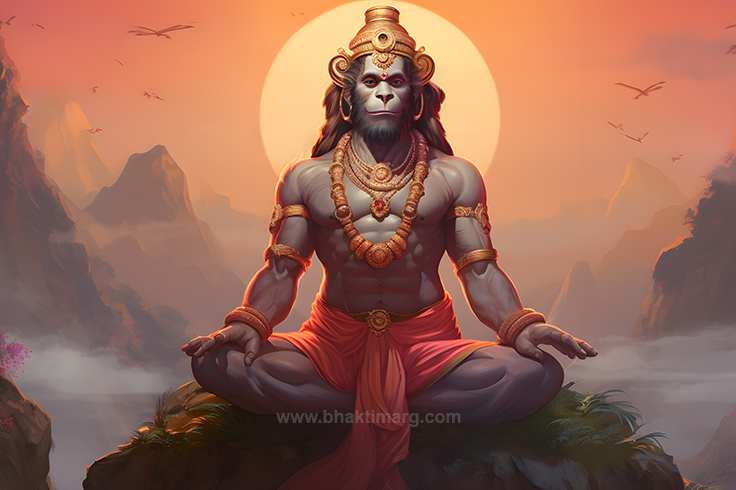
Hanuman is mentioned in the Puranas. The Shiva Purana mentions Hanuman as an avatar of Shiva; all other Puranas and scriptures clearly mention him as the spiritual son of Vayu or incarnation of Vayu or sometimes avatar of Rudra
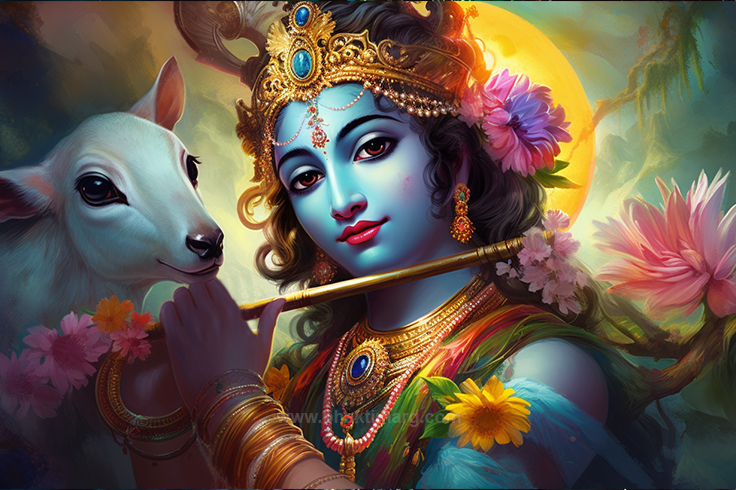
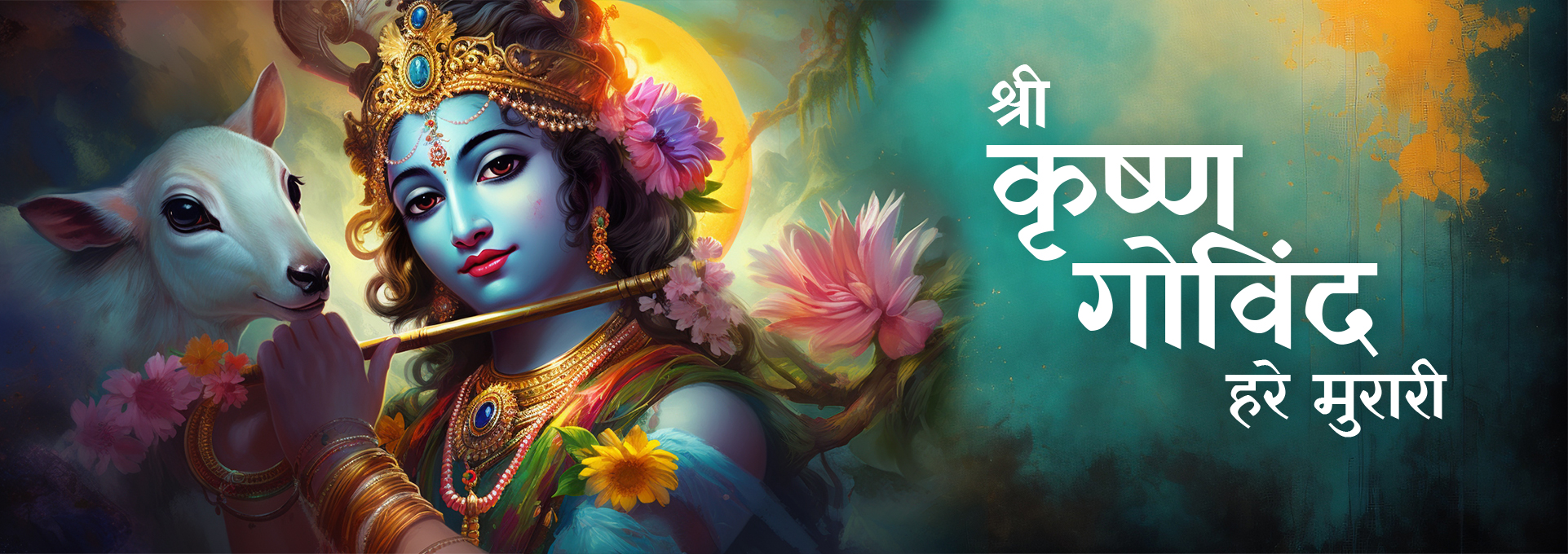
Krishna is the eighth Avatar or incarnation of Bhagavan Shri Hari Vishnu a major deity who is said to be self-aware since his birth.
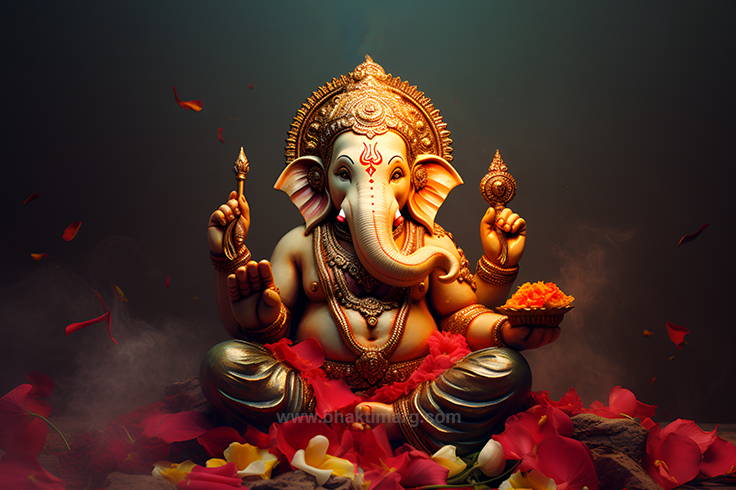
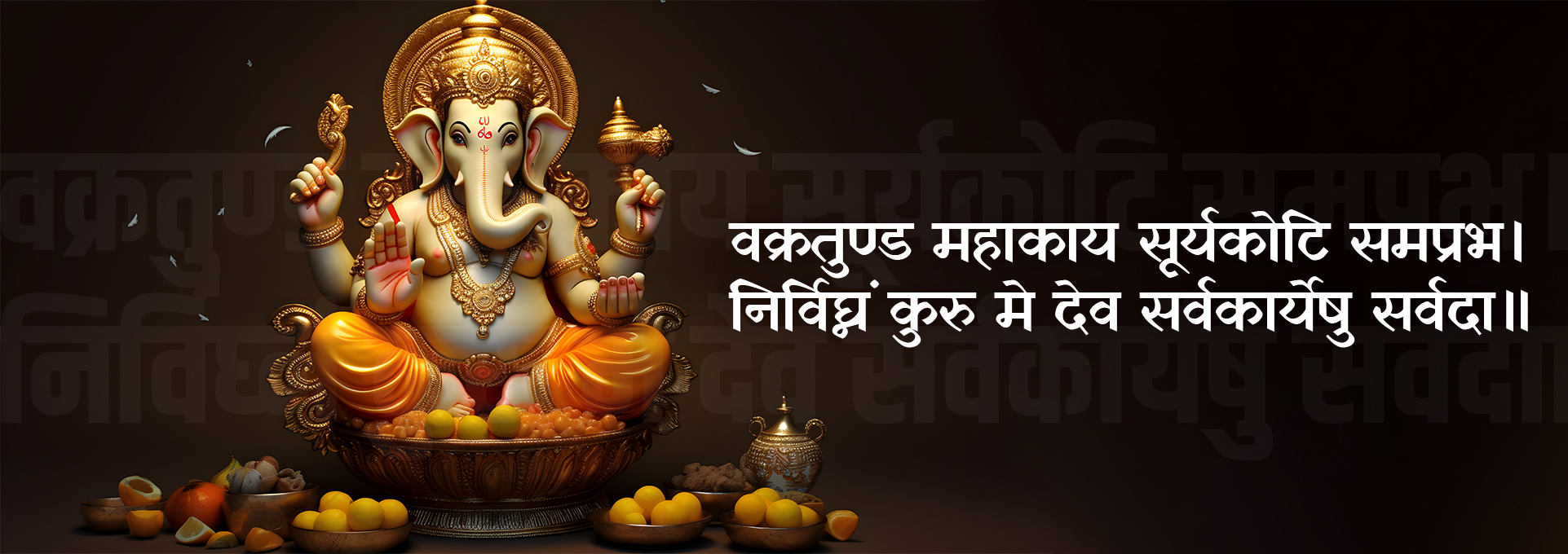
Let’s dive into the details of the elephant-faced god who is the favorite of all and is denoted as Hindu God Ganpati Bappa
With numerous sects and religious followings in Hinduism, there are varied ways of worship and rituals followed. Idol worship by establishing a temple that has its own unique significance and belief has a deep meaning and faith attached to it. Here is a small drive-through to the places that sustain the faith in Hinduism, and help one find peace and destination in life with Bhakti Marg.

Discover Swaminarayan Akshardham Temple Delhi with Bhakti Marg—history, significance, timings, address, festivals, and travel guide for a peaceful darshan experience.

Visit Khatu Shyam Ji Mandir, Rajasthan – explore darshan timings, festivals, and travel details of this divine pilgrimage site.

The Somnath Mandir Jyotirling is the first one among the sacred twelve jyotirlingas in India.
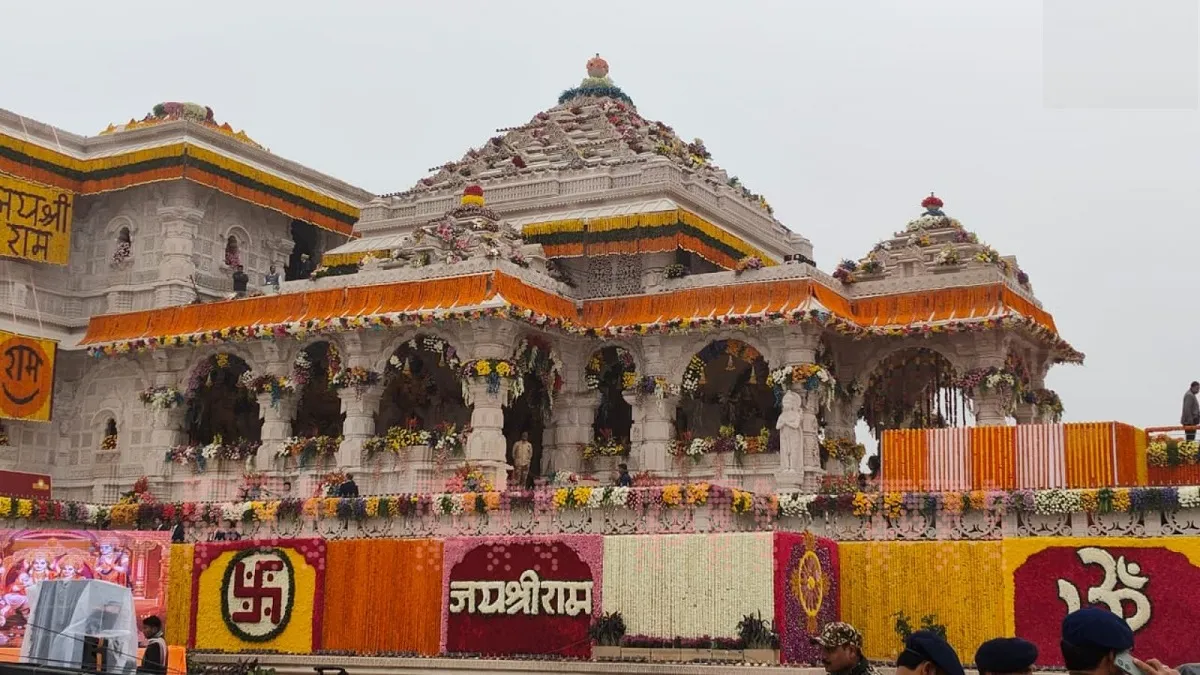
The Ram Mandir in Ayodhya, alternatively called the Ayodhya Ram Mandir, is a sacred temple venerating Lord Rama. According to Bhakti Marg, devotees revere the site in Uttar Pradesh as Lord Rama’s birthplace.
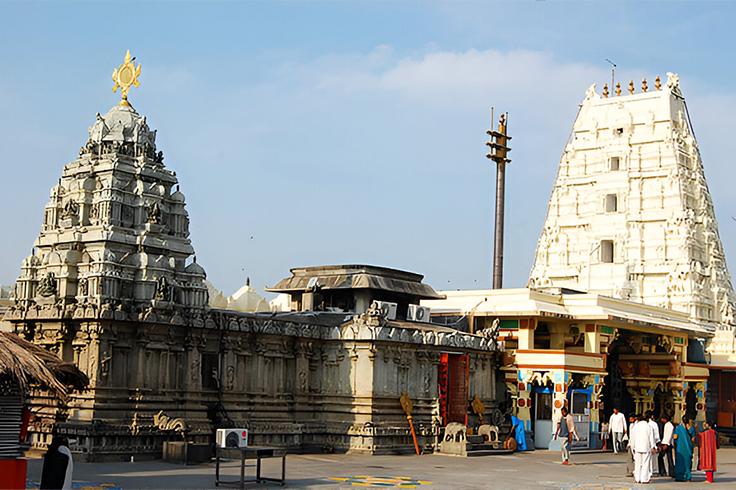
The Sita Ramachandraswamy Temple also called as Bhadrachalam temple, on the banks of River Godavari, is in the town of Bhadrachalam in Telangana. According to Bhakti Marg, this temple is devotional place that holds significant importance in Hindu beliefs and is a popular pilgrimage site for devotees, especially those who revere Lord Rama. It is […]
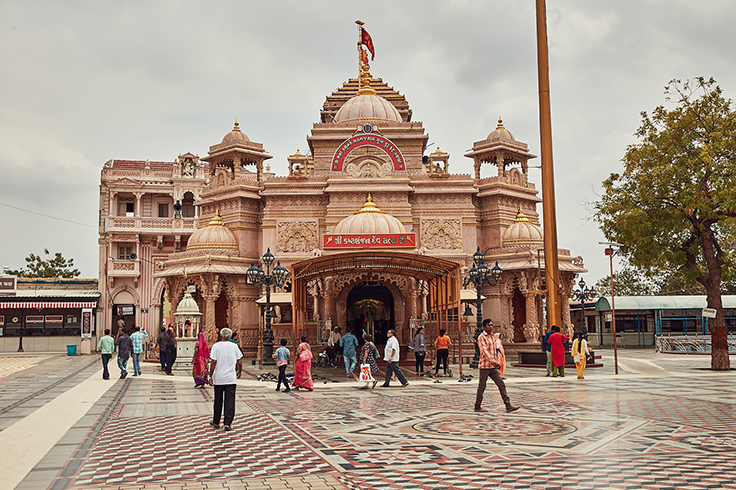
The Hanuman Temple of Salangpur in the Indian state of Gujarat falls under the Vadtal Gadi of Swaminarayan Sampraday. It is the most renowned Shree Kashtabhanjan Hanumanji Temple, and its history is deeply rooted in legend and devotion making it a significant pilgrimage site for devotees.
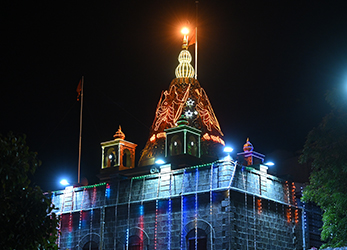
The Shirdi Sai Samadhi Temple, also known as the Shirdi Sai Baba Temple, is a renowned and revered place of worship. The Shirdi Sai Baba location is in the town of Shirdi in the Ahmednagar district of Maharashtra, India.
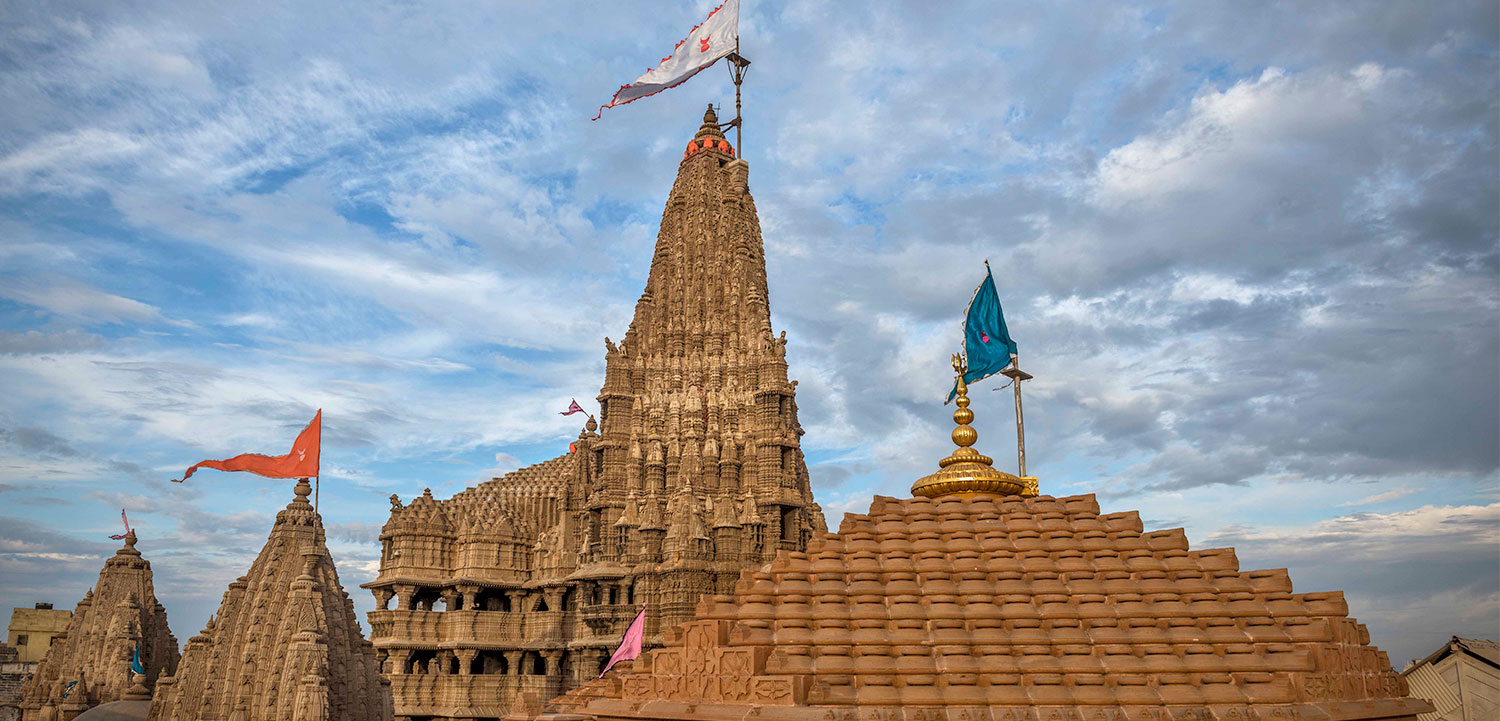
The Shri Dwarkadhish Mandir is the greatest attraction in the legendary city of Dwarka for Hindu pilgrims. The Dwaraka Krishna Mandir, also known as the Dwarkadhish Temple or Jagat Mandir, is a Hindu temple dedicated to Lord Krishna.
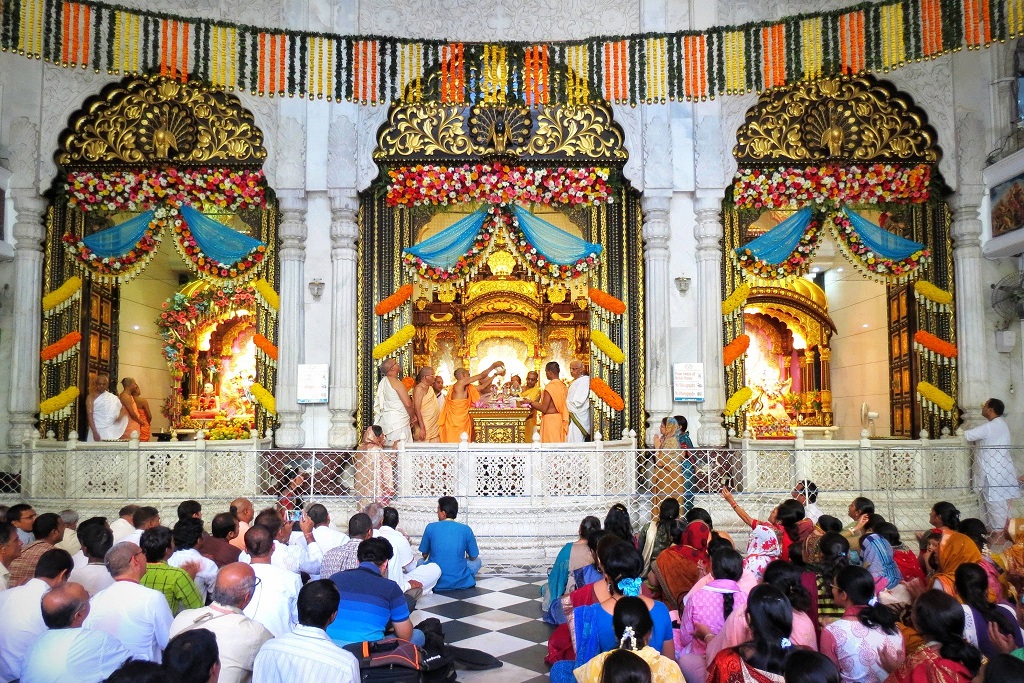
The Sri Sri Radha Rasabihari ISKCON temple in Mumbai is another important temple within the International Society for Krishna Consciousness (ISKCON) organization.
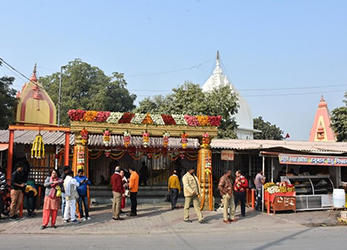
One can find several temples in India with idols of different deities followed by different sects. Hanuman Setu Mandir in Lucknow is one such sacred establishment.
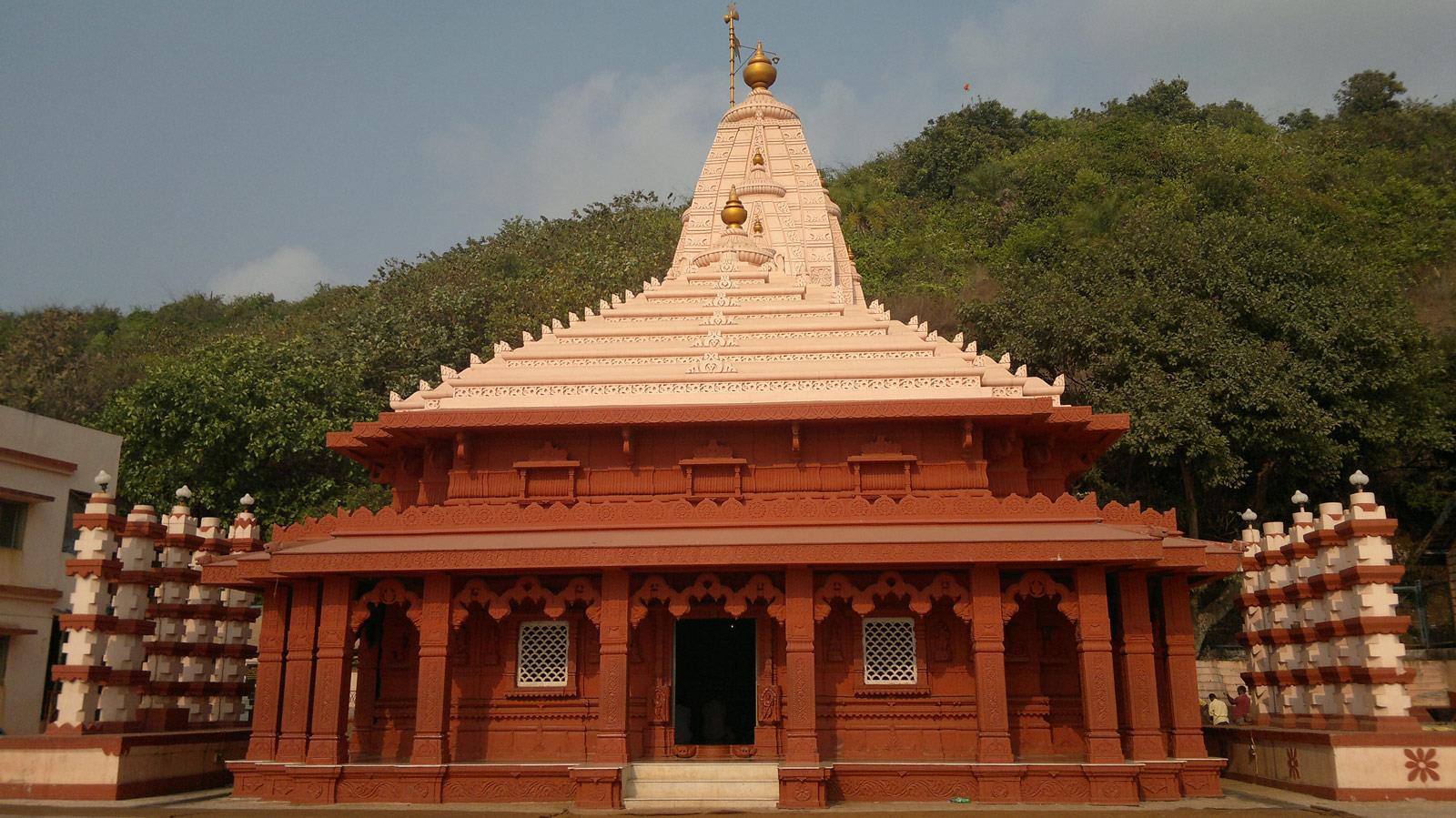
Ganpatipule Ganpati Mandir is amongst the renowned sacred location when one narrows down places for Ganpati Darshan.
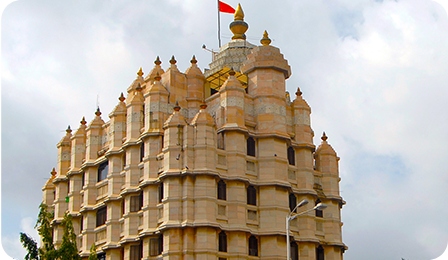
Shree Siddhivinayak Temple, Dadar, is considered one of the renowned pilgrims for Hindus across India. It is famous as Ichhapurti Ganpati Mandir of India

The splendid Kedarnath Mandir is one of the sacred Jyotirlingas of Lord Shiva. The Kedarnath Jyotirlinga is one among the dozen of Shiva’s Jyotirlingas spread across India.
Hindu myths, called kathas, are vibrant tales starring a dazzling cast of gods and goddesses like Vishnu, Shiva, and Ganesha. These stories aren't just epic battles between gods and demons! They explore profound themes like good vs. evil, love, and the cycle of life. Think moral lessons meets philosophical adventure! Kathas are more than entertainment – they're cornerstones of Hindu tradition, teaching right from wrong and keeping their rich culture alive. Dive in and discover the magic of Hindu gods and their timeless stories with Bhakti Marg.

Discover the fascinating Sankasur Katha and explore whether Sankasur was truly a demon or a misunderstood protector of Konkan. Read the complete story, symbolism, and spiritual meaning on Bhakti Marg.
Read More
Explore the powerful Margashirsha Mahalakshmi Vrat story, significance, benefits, and rituals. Read the divine Katha and deepen devotion with Bhakti Marg.
Read More
Discover the complete story of Lord Dattatreya, his origin, spiritual significance, powerful benefits of worship, mantras, and FAQs. Read exclusively on Bhakti Marg.
Read More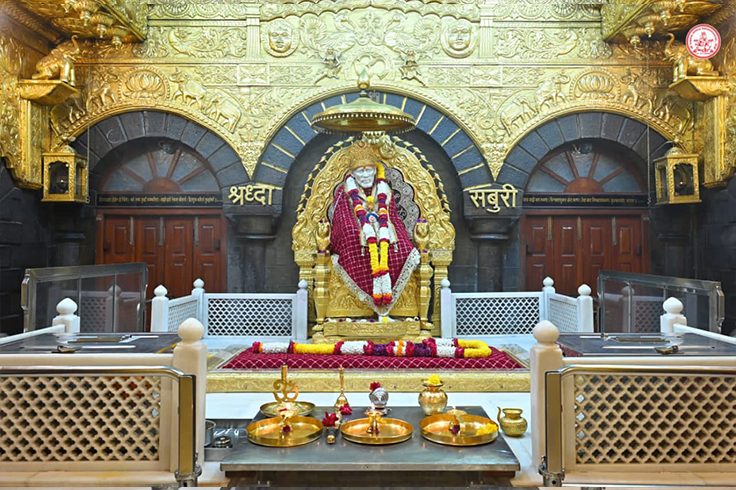
Human life is a cycle of Karma it is said and to find moksa or peace it's advised in Sanatana Dharma to follow Bhakti Marg, where devotion to the Parabrahma or the ultimate God of the related Hinduism sect.
Read MoreDiscover the latest captivating videos from Bhakti Marg, right here on our website. Immerse yourself in the divine essence of spirituality, explore ancient wisdom, and embark on a soulful journey of devotion. Don't miss out on the enlightening content that will uplift your spirit and deepen your connection with the divine. Watch now and experience the transformative power of Bhakti Marg.
Welcome to the magical world of learning with ABCD Song | Bhakti Ki ABCD – a unique alphabet song filled with devotion! This ABCD song, also known as ABC song with words, teaches the abc alphabet in a fun and spiritual way.
Immerse in Shri Hanuman Chalisa with clear English lyrics, enhancing spiritual connection, inner strength & divine tranquility.
This page highlights the Ekadantaya Vakratundaya mantra with English transliteration and meaning, praising Lord Ganesha and seeking his blessings for wisdom and the removal of obstacles.
Bhakti Marg is a devotional knowledge platform created to help devotees understand and practice Hindu spirituality in a simple and meaningful way. It offers well-researched content on Hindu gods and goddesses, mantras, temples, festivals, and spiritual traditions. The platform is designed for users seeking authentic explanations, devotional guidance, and spiritual clarity, whether they are beginners or regular practitioners of bhakti.
Bhakti Marg features a wide range of devotional content including mantra lyrics with meanings, benefits of chanting, bhajans, stotras, aartis, temple histories, pilgrimage guides, and festival significance. Many pages also include lyrical videos to support correct pronunciation and focused chanting. The content is structured to serve both reading and devotional practice.
Yes, Bhakti Marg is especially helpful for beginners in spiritual practice. The content is written in clear, simple language and explains the background, meaning, and purpose of rituals, mantras, and festivals. Step-by-step guidance is often provided to help users chant mantras correctly or understand how and why certain religious observances are performed.
Bhakti Marg provides detailed explanations of mantras, including their Sanskrit meaning, spiritual significance, and benefits of regular chanting. The aim is not only to share the mantra text but also to help devotees understand how chanting influences the mind, emotions, and spiritual growth. This approach helps users chant with awareness rather than repetition alone.
Bhakti Marg shares informative content about important Hindu temples and pilgrimage sites across India. This includes historical background, spiritual importance, associated legends, and guidance for devotees planning to visit. The content helps users connect with the sacred significance of these places beyond just travel information.
Bhakti Marg supports daily devotional practice by offering mantras, aartis, bhajans, and spiritual explanations that can be incorporated into everyday worship. Devotees can use the platform as a daily reference for morning or evening prayers, festival observances, or personal spiritual reflection.
The content on Bhakti Marg is based on traditional Hindu beliefs, scriptures, and widely accepted spiritual interpretations. Care is taken to present information respectfully, accurately, and in a way that preserves the essence of Sanatana Dharma while making it accessible to modern readers.

Complete guide to Ganesh Chaturthi 2026 (Sept 14): puja muhurat, Sthapana vidhi, 21 Patra list, mantras, aarti & Visarjan dates for every city.

Known as Krishna Gokulashtami or krishna jayanthi marks the birthday of lord Krishna, the eighth avatar of Vishnu, who is one of Hinduism’s most revered deities.

Explore the Hanuman Chalisa in English with complete lyrics, meaning, benefits, history, PDF and a simple guide on how to recite it.
Follow us for Aarti, Bhajan, and Stories