

Laxmi Pujan and Diwali: Exploring the Connection with the Festival of Lights
Deepavali is celebrated across India, and in Hindu, Jain and Sikh traditions around the world, as the Festival of Lights. People of many communities light lamps and lanterns, share sweets and celebrate together. The word Deepavali means “a row of lamps”, recalling how the people of Ayodhya lit a path of lamps to welcome Lord Ram home.
Diwali follows the Hindu lunar calendar, so its date changes every year. It falls on the new-moon night (Amavasya) of the Kartik month. In 2026, the five-day festival runs from 6 to 10 November, and Laxmi Pujan is on Sunday, 8 November. To learn why this is called the Festival of Lights, read why Deepavali is called the Festival of Lights, and see the Diwali 2026 date and timings guide for the full calendar.
Why is Deepavali Celebrated?
Diwali has deep cultural significance, and different traditions celebrate it for different reasons.
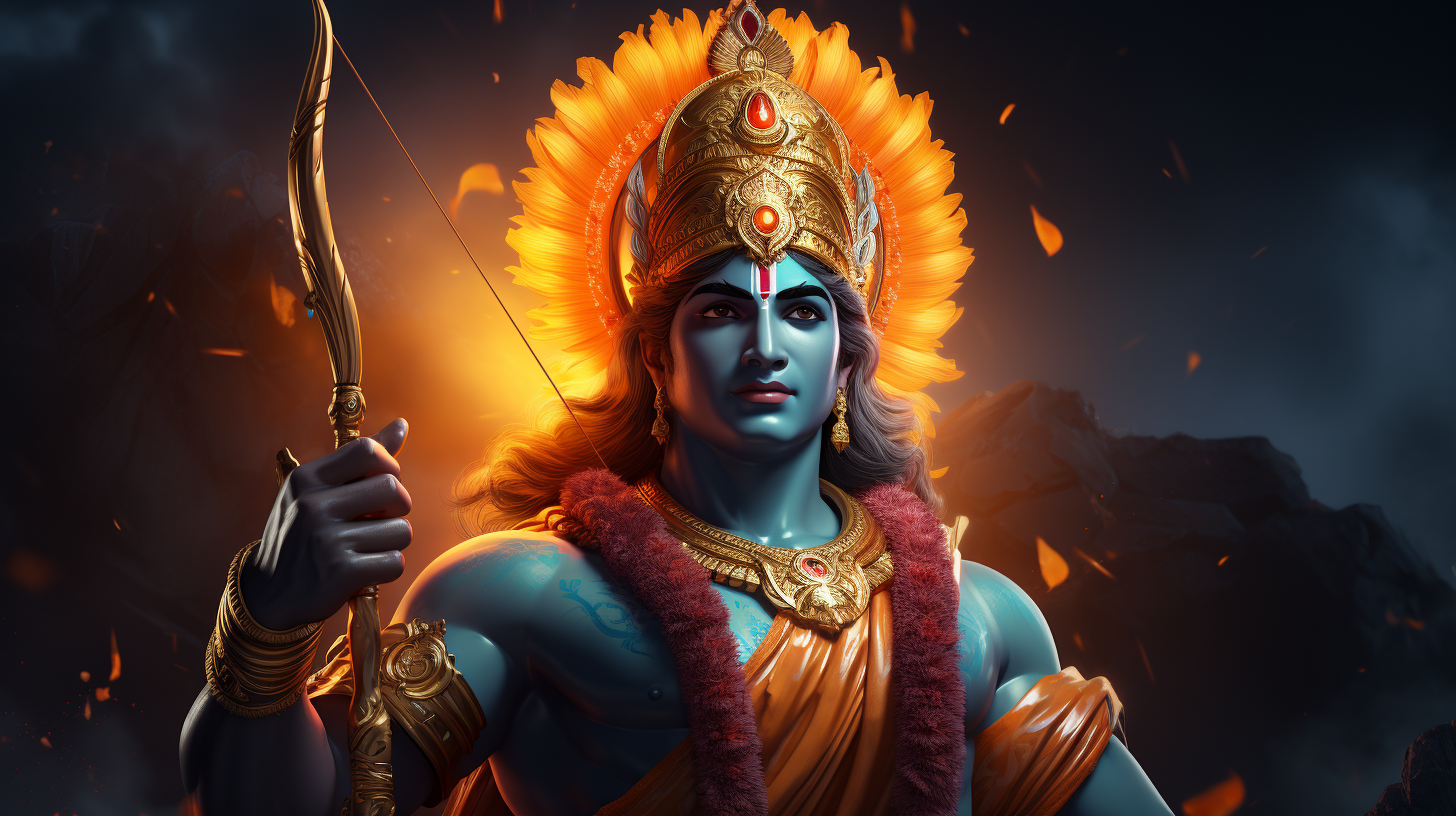
- Return of Lord Ram: The best-known legend is the return of Lord Ram to Ayodhya after fourteen years of exile. The people of Ayodhya welcomed their beloved prince by lighting lamps along the way on the dark new-moon night.
- Victory of good over evil: Diwali also celebrates the end of Ravana’s atrocities and the victory of righteousness. Lighting lamps on the night of Amavasya symbolises driving out ignorance, evil and negativity, and it is on this night that Laxmi Pujan is performed to worship Goddess Lakshmi.
- Other traditions: For Jains, Diwali marks the Nirvana of Lord Mahavira. For Sikhs, it coincides with Bandi Chhor Divas, the day Guru Hargobind Ji was released from Gwalior Fort. In Gujarat, the day after Diwali is the New Year (Bestu Varas).
Why do We Do Laxmi Puja on Diwali?
Laxmi Pujan is the central ritual of Diwali, and it is observed by Hindus, Jains and some Buddhists around the world. It is dedicated to Goddess Lakshmi, the goddess of wealth, prosperity and abundance. According to the scriptures, she emerged from the Kshir Sagar during the Samudra Manthan, the churning of the cosmic ocean, and Diwali night is remembered as the night she was welcomed into the world. Here is why the worship matters:
- Wealth and wellbeing: Goddess Lakshmi represents both material and spiritual well-being. Worshipping her on the third day of Diwali is believed to bring prosperity, strength and calm in the year ahead.
- Lakshya (goals): Some devotees connect the name Lakshmi with lakshya, meaning goal or aim, and believe that worshipping her gives focus and direction to achieve one’s goals.
- Mahalakshmi and Ashtalakshmi: On Diwali, Mahalakshmi is invoked in her eight forms, known as the Ashtalakshmi: Adi Lakshmi, Dhana Lakshmi, Dhanya Lakshmi, Gaja Lakshmi, Santana Lakshmi, Dhairya Lakshmi, Vijaya Lakshmi and Vidya Lakshmi. Together they represent origin, wealth, grain, strength, family, courage, victory and knowledge.
- Lighting the dark night: The Laxmi Pujan is done on the dark night of Amavasya. People light diyas and lanterns in all directions so that the goddess finds her way into their homes. It is believed that she visits and blesses those who light up the night and keep their homes clean and bright.
What Should Be Done on Laxmi Pujan?
The pooja and the preparations before and after it are all meaningful. Some of the most important traditions are:
- Clean and decorate: Clean your home before the pooja, since Goddess Lakshmi is believed to reside in clean, bright places. Decorate with diyas, flowers and a rangoli at the entrance.
- Timing: Laxmi Pujan is performed in the evening, during Pradosh Kaal, after sunset. In 2026 the muhurat is approximately 5:47 PM to 7:13 PM in Delhi and 6:18 PM to 7:44 PM in Mumbai. Timings depend on your city, so check your local panchang.
- Prepare yourself: Bathe and wear clean, new or traditional clothes, to keep the satvikta (purity) of the ritual.
- Begin with Lord Ganesha: Start with Ganesh Pooja. Lord Ganesha is Prathampujya, the remover of obstacles, so that the pooja proceeds smoothly.
- Worship Goddess Lakshmi: Chant her mantra, light a ghee or oil lamp, and offer flowers, fruits and sweets. Some devotees place their jewellery, coins or valuables near the goddess. The Mahalaxmi Aarti is then sung to praise her qualities and ask for her blessings.
- Perform it at home or with a priest: You can invite a pandit or follow our step-by-step Diwali Pooja Vidhi to perform the pooja yourself.
- Share goodwill: Exchange gifts and sweets, hold a family feast and spread happiness. Many people also give to those in need.
- Community celebration: Societies, neighbourhoods and temples hold group pujas where devotees worship the goddess together, so Laxmi Pujan is a social celebration as well as a ritual.
- Celebrate responsibly: If you light firecrackers, choose low-emission options where they are allowed, and keep children, pets and the elderly in mind. Clay diyas and natural rangoli colours are better for the environment.
Diwali is the festival of lights, symbolising the victory of good over evil, knowledge over ignorance and right over wrong. Goddess Lakshmi is invoked as the Shakti of material and spiritual abundance, bringing prosperity, peace and well-being to the home. Whether performed with a priest, with family or in the community, Laxmi Pujan in 2026 is a time to express gratitude and welcome light into your life.